
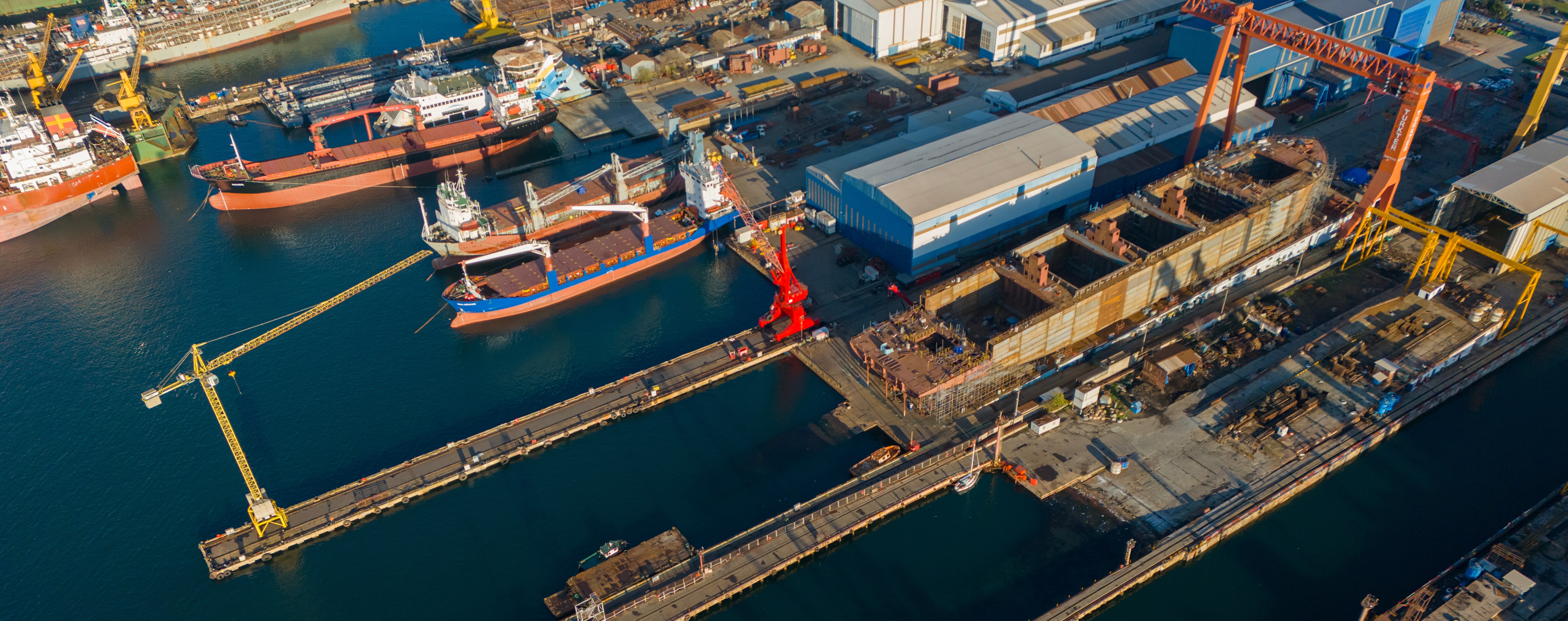

Developing waterfront infrastructure, whether upgrading a shipyard or boatyard, expanding a marina, or modernizing a port facility, can be a complex puzzle. Project success depends on how well engineering design aligns with environmental factors and regulatory realities. Far too often, environmental reviews under the National Environmental Policy Act (NEPA) or state equivalents such as the California Environmental Quality Act (CEQA) are treated as a final administrative hurdle. When environmental factors are ignored during the design process, discovery of a sensitive habitat or contaminated sediment can force costly redesigns, multi-year permitting delays, or severe project opposition. By integrating aquatic and environmental science during the conceptual phase, project owners can identify constraints early and design out impacts. Five critical environmental considerations should be addressed before any waterfront project layout is finalized.
Commercial Harbor Operations & Infrastructure Layout
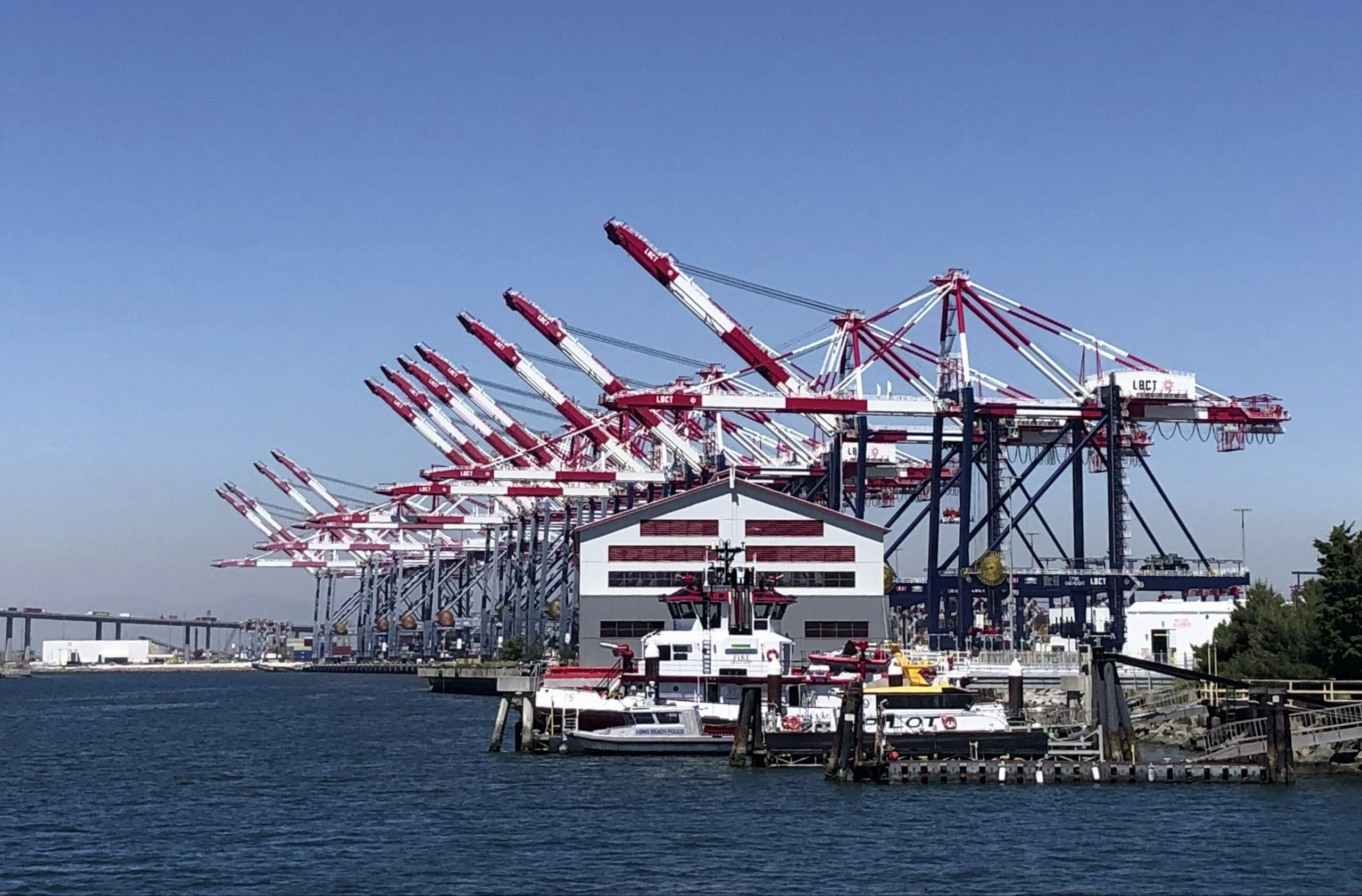
Modern port facilities require a careful balance between high-capacity engineering footprints and the surrounding dynamic aquatic ecosystem.
1. Shoreline and In-Water Footprints: Piles, Piers, and Permitting
- Acoustic & Shading Impacts: Every slip, pier, bulkhead, or pile placed in the water changes the aquatic environment. In-water structures cause shading, which reduces sunlight available to critical habitats like eelgrass beds, while driving piles introduces underwater noise that can impact marine mammals and fish.
- Agency Coordination and Permitting: Navigating agencies like the U.S. Army Corps of Engineers (USACE) for Section 10/404 permits, the Maritime Administration (MARAD) and state permitting agencies such as the California Coastal Commission (CCC) for coastal development permits requires robust data.
- Proactive Adjustments: Conducting proactive baseline biological assessments allows teams to adjust pile spacing or optimize materials to minimize shading. By appropriately modifying designs, lengthy mitigation negotiations can be avoided, and more streamlined agency approvals can be realized.
2. Dredging, Excavation, and Sediment Management
- Legacy Contaminants: Waterfront projects often require dredging to deepen berths or clear navigation channels. However, handling sediments requires early characterization because decades of industrial activity and surface runoff in the majority of harbors mean that sediments may contain legacy contaminants that must be dealt with in non-traditional ways.
- Rigorous Testing Frameworks: Determining sediment composition early positively supports project logistics and budgets. Deploying rigorous physical and chemical testing—aligned with the Environmental Protection Agency (EPA)/USACE “Green Book” and Inland Testing Manual (ITM) protocols—tells you exactly what you are working with and how this information can be incorporated into the design and permitting process.
- Reuse vs. Disposal Logistics: Clean sediment can often be leveraged for beneficial reuse, such as beach nourishment or habitat creation (such as eelgrass bed or saltmarsh creation or enhancement). Conversely, contaminated sediment requires specialized handling, upland disposal, or confined aquatic disposal. Testing and modeling sediments during conceptual design prevent unexpected costly line items during construction.
3. Water Movement, Circulation, and Hydrodynamics
- Water Quality: Altering a shoreline configuration changes how water flows. If a new pier layout or marina basin restricts water circulation, it can result in zones of reduced dissolved oxygen levels, increased water temperatures, and localized water quality degradation.
- Accelerated Sedimentation Risks: Restricted circulation also accelerates sedimentation, meaning a newly dredged basin might fill back in with silt much faster than anticipated.
- Predictive Software Modeling: Utilizing numerical hydrodynamic modeling software during early design helps evaluate how the proposed configuration affects water movement. This ensures the design promotes natural flushing and preserves localized habitats, keeping the project aligned with federal and state water quality and natural resources agency requirements long before final plans are submitted.
4. Stormwater, Intakes, and Discharges
- Operational & Construction Frameworks: Waterfront facilities must manage water inputs and outputs during both construction and long-term operations. Industrial operations like shipyards and boatyards require robust stormwater pollution prevention plans (SWPPP) and National Pollutant Discharge Elimination System (NPDES) permits.
- Entrainment & Impingement Legalities: If the facility involves operational intakes or discharges (such as cooling water or industrial wastewater), early placement and design are critical.
- Smart Site Design: Designing smart stormwater controls and passive treatment systems into the initial site footprint is vastly more cost-effective than retrofitting industrial filtration systems later.
5. The Ultimate Mitigation Strategy: Early Environmental Involvement
- Shaping Engineering Solutions: The most effective way to design and implement a waterfront project is to bring aquatic and environmental specialists to the table while the design is still flexible. Environmental science should not just document impacts, it should help shape the engineering solutions.
- Collaborative Alternatives Evaluation: When environmental scientists work alongside engineers from day one, teams can evaluate project alternatives collaboratively.
- Strategic Defensibility: This proactive approach identifies significant environmental issues early on, allowing for design adjustments that avoid impacts altogether, and establishes a defensible record for NEPA/CEQA compliance. Ultimately, early involvement transforms the environmental review process from a project roadblock into a strategic roadmap.
How Scout Can Help
Scout works alongside engineers and owners from day one to align your initial project designs with complex environmental requirements. If you have any questions or need any support with NEPA/CEQA compliance and permitting support, contact us today at hello@scoutenv.com.
About the Author
Scout is an SBA-certified, service-disabled, veteran-owned small business (SDVOSB) and California-certified Disabled Veteran Business Enterprise (DVBE) environmental consulting and engineering firm based in Encinitas, CA. Led by Senior Aquatic Scientist Barry Snyder, our environmental sciences team brings more than 35 years of experience navigating complex waterfront development, dredging, sediment characterization, and environmental permitting across major ports and harbors.









 Headquarters: San Diego
 Staff Nationwide and in Hawaii