

Laws often hinge on the interpretation of a single word. When that interpretation changes, the practical effect of the law can change as well.
That is the case with the Trump administration’s recent revision of the definition of harm under the Endangered Species Act. The revised definition removes “significant habitat modification or degradation” as a form of prohibited harm to listed species.
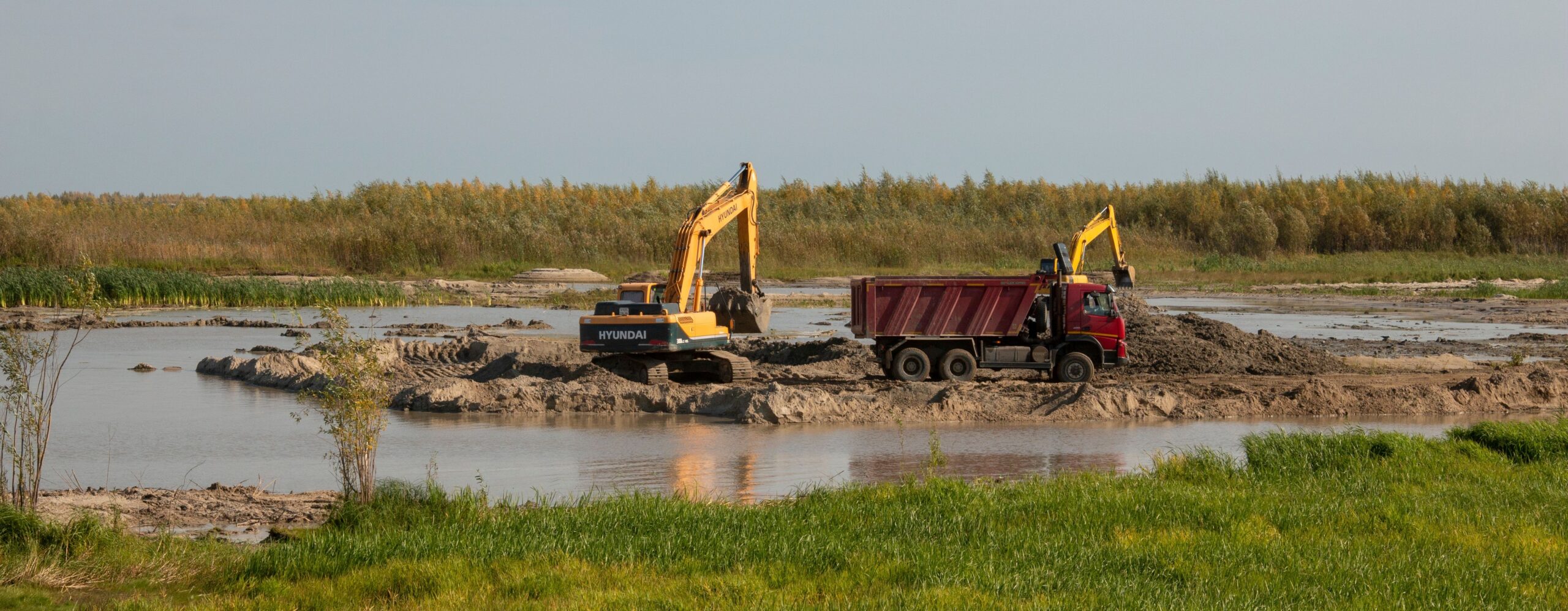
Under the revised interpretation, actions that directly injure or kill listed species remain prohibited. However, activities that indirectly affect a species, such as habitat clearing, resource extraction, or other land-disturbing activities, may no longer be considered prohibited harm. The change reverses nearly 50 years of federal policy. Separately, the March decision by the Endangered Species Act Committee, commonly known as the “God Squad,” to override a jeopardy opinion concerning Gulf offshore activities may also increase the risk of species decline or even extinction.
The revised definition is expected to influence analyses conducted under the Endangered Species Act (ESA), the Marine Mammal Protection Act (MMPA), and the National Environmental Policy Act (NEPA). Because these analyses inform biological assessments, consultations, and NEPA reviews, the interpretation of harm may affect both project decisions and conservation outcomes.
The final rule becomes effective on September 14, 2026. As federal agencies implement the revised definition, the meaning of a single word may have far-reaching implications for how, and to what extent, endangered species and their habitats are protected.
At Scout, we care about regulatory changes that affect the environment, human health and quality of life. Contact us at hello@scoutenv.com to see how we can assist with your environmental planning needs.









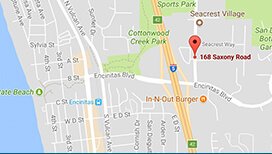


 Headquarters: San Diego
 Staff Nationwide and in Hawaii