


Turn and face the strange! Welcome back for another scintillating blog on one of our favorite subjects: the National Environmental Policy Act (NEPA)! As we have chronicled in past blogs, in 2020 the Council on Environmental Quality (CEQ) updated the NEPA regulations to encourage more streamlined analysis to accelerate the environmental review process for proposed federal projects. As NEPA practitioners nimbly pivoted to integrate the CEQ changes into their NEPA documents, there have been indications that the NEPA regulations may soon be subject to additional changes, reflective of the new Biden Administration. In this blog I will highlight some of the latest scuttlebutt on potential changes to the NEPA regulations and identify some upcoming NEPA webinars and resources available to hone your NEPA skills!
Bottom Line Up Front (or BLUF for our Marine Corps friends): While the Biden Administration is taking a hard look at the 2020 NEPA regulations (and related environmental laws) and future change is likely, NEPA practitioners should continue following the 2020 rule-making changes in accordance with their agency directives. If and when CEQ proposes additional changes to NEPA regulations (likely in the time between an EA and EIS time limit [1 to 2 years for those of you not paying attention]), rest assured, you will read about them here. Check out the National Association of Environmental Professionals (NAEP) and American Bar Association for upcoming advanced NEPA training and informational updates. Practice exceptional NEPA!
The Scuttlebutt
“(NEPA) may change me, But I can’t trace (NEPA)”. With apologies to David Bowie and his classic tune on changes and time, NEPA practitioners are effectively integrating the 2020 rulemaking changes into their NEPA documents. Coincident with the application of the changes, we have a new president. On his very first day in office, President Biden made his intentions clear when he signed an Executive Order (EO) directing the CEQ to review the Trump-era NEPA regulations and consider suspending, revising, or rescinding them. This action set into motion a multi-year process to review the NEPA regulations and propose changes.
While we wait for the Federal Register to publish proposed NEPA implementation rule-making changes, it is clear that greenhouse gas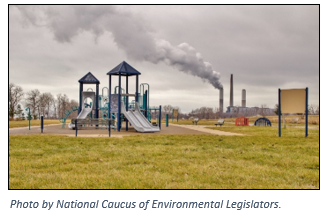 emissions, environmental justice, and public engagement (and justice and equity therein) will be focal points of future changes. Given recent EOs and policy directives on greenhouse gas emissions and environmental justice, especially as it relates to renewable energy and infrastructure rebuilding, these areas will garner a lot of attention from the EPA and stakeholders, so it may behoove NEPA practitioners to prepare more robust sections for these resources now.
While the 2020 changes established arbitrary page limits and capriciously defined time limits (never mind a lack of agency-to-agency agreement on what constitutes a start date for an EA; some agencies even have no internally consistent definition!) may also go away, their intent to foster focused documentation will not. Time limits have been in several instances difficult to obtain, especially for projects involving outside agencies and/or cooperating agencies. For example, despite robust early planning, Section 7 and Section 106 consultation requirements after starting NEPA may trigger further surveys or studies that could extend the project timeline. Time limits can also put pressure on action proponents to make tough calls in balancing public/agency input against the project timeline constraints. Thus, while specific page and time limits may go away, it will be advantageous to continue to perform thoughtful pre-planning to facilitate efficient and streamlined NEPA document preparation.
One of the most controversial 2020 changes concerned cumulative effects analysis. It was one of the most commented-on aspects of the proposed 2020 rule-making and is proving to be one of the most misinterpreted changes. Contrary to the assumptions of some, agencies should still consider effects that are reasonably foreseeable and have a reasonably close causal relationship with a proposed action. The 2020 changes do not preclude agencies from accounting for cumulative and indirect impacts if they so choose; therefore, the Biden Administration may make clear that all agencies are to consider them within their environmental analyses. In the meantime, NEPA practitioners should integrate resource area trends and past, present, and reasonably foreseeable projects into their baseline and impact section analysis – but in a focused and holistic manner for those resource areas subject to impact. This is not easy because cumulative effects are no longer a stand-alone “blow off” chapter (!) but have become a truly integrated component of the resource condition. Again, practice exceptional NEPA – it takes work!
New Leadership at CEQ Heralds Changes to Come
President Biden’s selection (and subsequent confirmation) of Ms. Brenda Mallory as the White House CEQ Chair is also a bellwether for the Administration’s focus on environmental and environmental justice issues. A veteran environmental attorney, she will help guide federal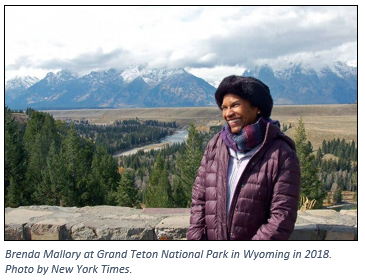 environmental permitting as the Administration seeks to build major infrastructure projects across the United States. In a recent interview (The Hill, 2021), Ms. Mallory said that the administration is aiming to go “as quickly as possible” on its review of the Trump administration’s changes to NEPA and “We feel like we need to act as quickly as possible because it’s creating this confusion in the world of permitting.” When asked whether CEQ could go further to strengthen NEPA implementation beyond where it was pre-Trump, Mallory said, “All of that is part of the discussion that’s going on right now.”
Resources Available to You
The environmental planning field is hopping! There is no shortage of past, present, and future (gotcha!) events to hone your NEPA skills. The National Association of Environmental Professionals (NAEP) recently hosted their annual conference and training symposium. The symposium presented several panels on NEPA and how practitioners are implementing the new regulations and dealing with COVID-related challenges – and achieving successes and new techniques. If you missed the NAEP symposium you can still catch all the recordings here. I highly recommend Session A6, Ramifications of New NEPA Regulations on Agencies and Consultants.
NAEP also recently released a weekly podcast (Environmental Professionals RADIO) focusing on environmental planning. It is a fantastic resource for catching environmental planning leaders bringing to you anything and everything related to being an environmental professional. Find the podcast here.
On Wednesday, June 9th, the American Bar Association is presenting an event on The Status and Future of New NEPA Rules. Panelists from government, private practice, NGOs, and industry (including the former Associate Director, White House CEQ, Mr. Ted Boling) will discuss the CEQ’s 2020 rule amending its NEPA regulations, as well as NEPA rules recently issued by other federal agencies. Find further information on the event here.
Summary
While we wait for formal changes to NEPA’s implementing regulations, NEPA is still and will remain at its heart a public engagement and informed decision-making process. Proactively manage your project challenges to achieve your timeline. Continue to (always!) prepare focused analysis. Practice transparent and wholistic public, agency, and Tribal engagement. Now go forth and practice streamlined and exceptional NEPA to foster informed decision making – and if we can assist you in doing so, please reach out! Contact me at ryan.pingree@scoutenv.com.










 Headquarters: San Diego
 Staff Nationwide and in Hawaii