
More Than a Career Move
After spending quite a bit of time in federal service, I transitioned into consulting about three years ago. At first glance, the work looked familiar. The same statutes. The same processes. The same goals around defensibility and transparency.
But, while the importance of the work didn’t change, the way responsibility, accountability, and authority showed up day-to-day did, and not in ways that were immediately obvious.
While I’ve written before about the broader landscape of public service careers and the relationship between government and contracting roles (you can read that piece here: The Public Service Career Path: Insights into Government and Contracting Roles in Environmental and Engineering Projects), this article builds on that perspective by reflecting more specifically on what changed in practice once I was in it.
Authority Changes, Influence Grows
In my last federal role, authority was embedded in the position. Comments, reviews, and decisions inherently carried weight because they represented the agency, and decisions were backed by institutional authority.
In consulting, that authority disappears. Instead, the impact comes from influence through the ability to explain issues, anticipate concerns, effectively partner, and support informed decision-making without directing outcomes.
For someone accustomed to being one of the final reviewers, this shift was initially disorienting. There is a moment where you realize the work hasn’t changed, but your role in it has. Over time, that realization has become more clear. The work now depends less on my position and more on shared trust, judgment, and communication. When exercised well, that shift has led to stronger partnerships and more effective collaboration within project teams.
The Mindset Shift: From Institutional Stewardship to Personal Accountability
Federal work is grounded in stewardship. The work supports a mission larger than any single project, and success is measured through defensibility, consistency, and adherence to established processes. Review cycles, coordination, and documentation aren’t just procedures; they are an essential part of earning and sustaining public trust.
Consulting introduces a different form of responsibility: personal accountability for delivery. Even though the technical quality still matters, how work is scoped, paced, and communicated matters just as much. Deadlines are more visible. Budgets are real and concrete rather than background considerations. There simply is more personal ownership over outcomes, especially in areas that may have had some institutional buffering.
The difference has become tangible for me in familiar moments. For example, consider a NEPA document that is nearing completion when an agency requests additional analysis late in the process. Inside the agency, this may feel like a manageable adjustment and just something to be absorbed through internal effort.
In consulting, the same request can carry real implications. Additional analysis may require rework, new coordination, or added data collection, all within a defined scope and budget. Without the institutional buffering, the requested changes must be managed explicitly against the contracted level of effort.
What felt small in one context became consequential in another, not because the work changed but because the structure around it did.
Federal Experience Becomes an Asset
Former federal employees in consulting roles can often add particular value in these moments. Having worked inside agency workflows, we understand both perspectives. We can help frame adjustments realistically, anticipate downstream effects, and navigate constraints without escalating tension or eroding trust. The public-private partnership is enhanced. When this happens, it’s a win for everyone involved, from agencies to project teams to the work and project beneficiaries themselves.
Federal Experience Doesn’t Fade in Consulting, It Sharpens
Understanding agency priorities, internal review pressures, and how decisions are actually made changes how work is structured and delivered on the consulting side. It informs what gets emphasized, what can flex, and where precision matters most.
By anticipating reviewer concerns before they surface, framing analysis around real decision points, and communicating in a way that aligns with how agencies operate under constraint, federal experience becomes a bridge between process and execution, policy and delivery.
A Different Way to Serve
Moving from federal service to consulting didn’t change for me why the work matters, but it did change how I carry responsibility and how success has been experienced.
Seeing both sides has shaped how I approach projects and how I understand the dynamics between agencies and contractors. When those differences are understood and named, collaboration becomes clearer, expectations more realistic, and projects stronger. I’ve been in our clients’ shoes. I know their challenges and their concerns. This insight enhances my work and collaborations every day.
That, in itself, feels like another way to serve.
If you are looking for a partner who understands agency realities and how to successfully execute within them, Scout is here for you. Contact us today at hello@scoutenv.com.
About the Author
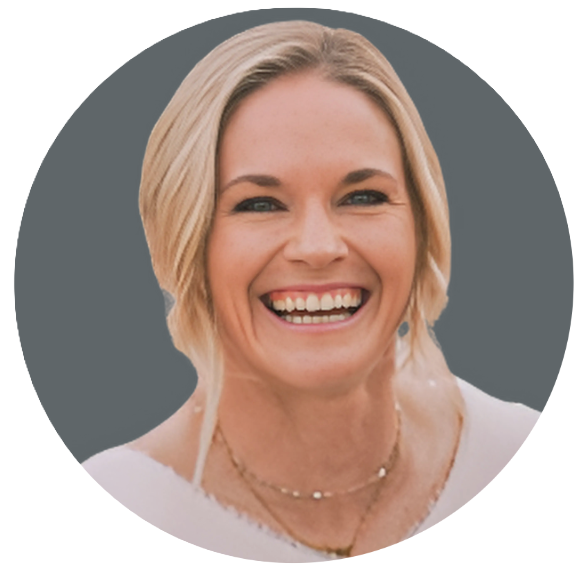
Callie Hansen, PMP, is an environmental planner and NEPA project manager, and a U.S. Navy veteran, with experience spanning federal service and consulting. After transitioning from federal work to contracting, she now supports agencies and project teams in delivering clear, defensible environmental reviews. Her perspective is shaped by having worked on both sides of the agency–contractor interface, with a focus on realistic project execution and effective collaboration.






 Headquarters: San Diego
 Staff Nationwide and in Hawaii